Introduction
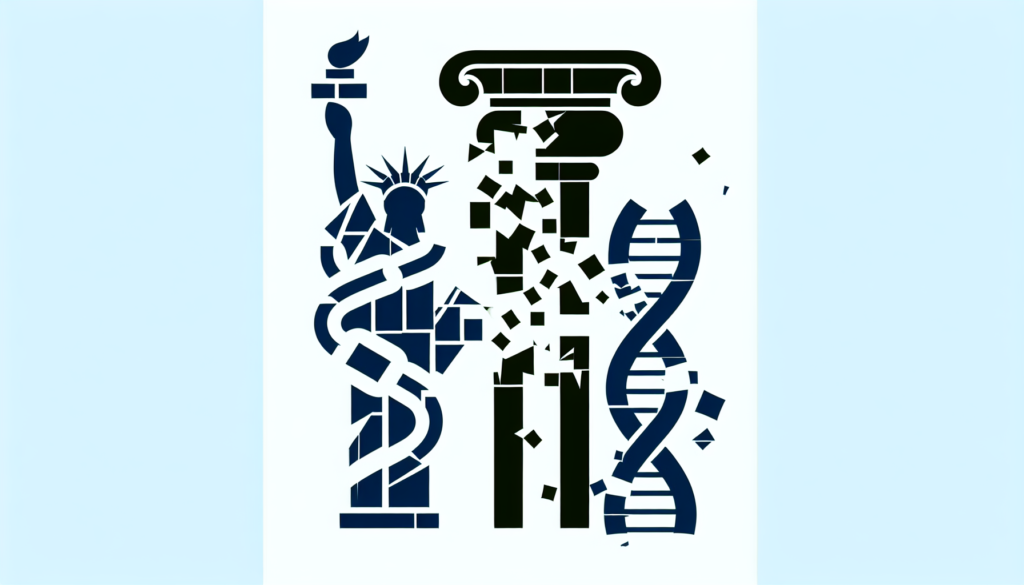
The concept of liberty has been a cornerstone of Western thought, representing the ideals of freedom, autonomy, and individual rights. In modern society, liberty is not only a fundamental principle enshrined in many constitutions but also a vital aspect of democratic governance and human rights discourse. As societies evolve, the interpretation and application of liberty continue to shape political, social, and economic frameworks. Understanding the historical development of liberty in Western thought is essential for comprehending its relevance in contemporary issues such as civil rights, social justice, and personal freedoms. history of liberty
The Origins of Liberty in Ancient Philosophy
The roots of liberty can be traced back to ancient civilizations, where philosophical inquiry began to explore the nature of human existence and the role of the individual in society. The ancient Greeks, particularly philosophers like Socrates, Plato, and Aristotle, laid the groundwork for discussions on personal freedom and the responsibilities that accompany it.
Socratic Inquiry and Individual Autonomy
Socrates introduced the concept of questioning established norms and encouraged individuals to think critically about their beliefs and actions. This Socratic method of inquiry emphasized personal responsibility and the pursuit of truth, fostering an early sense of autonomy.
Platonic Ideals and the Role of the State
In contrast, Plato’s works, particularly in “The Republic,” explored the relationship between the individual and the state. He argued for a just society governed by philosopher-kings, suggesting that true liberty could only be achieved within a well-ordered political structure. This tension between individual freedom and societal order remains a central theme in discussions of liberty.
Medieval Developments: Liberty and the Church
The medieval period saw the intertwining of liberty with religious authority, particularly through the influence of the Christian Church. The concept of free will became a pivotal theological point, with thinkers like Augustine and Aquinas contributing to the discourse on moral liberty.
Augustine and the Nature of Free Will
Saint Augustine posited that human beings possess free will, which is essential for moral responsibility. He argued that liberty is not merely the absence of constraints but the ability to choose good over evil. This theological perspective laid the groundwork for later philosophical considerations of liberty as it relates to moral agency.
Aquinas and Natural Law
Thomas Aquinas expanded on the idea of liberty through his theory of natural law, which suggests that humans have inherent rights that are derived from their nature. This notion of natural rights would later influence Enlightenment thinkers and the development of modern liberal thought.
The Enlightenment: A New Age of Liberty
The Enlightenment was a pivotal era that dramatically redefined the concept of liberty in Western thought. Philosophers such as John Locke, Jean-Jacques Rousseau, and Voltaire challenged existing social and political structures, advocating for individual rights and freedoms.
Locke’s Social Contract and Natural Rights
John Locke’s theories of government emphasized the importance of natural rights—life, liberty, and property. He argued that governments are formed through social contracts to protect these rights, and if they fail to do so, citizens have the right to revolt. Locke’s ideas had a profound impact on democratic movements, including the American Revolution.
Rousseau’s Concept of General Will
Jean-Jacques Rousseau introduced the notion of the “general will,” suggesting that true liberty is found in collective decision-making that reflects the common good. His work highlighted the tension between individual freedom and the needs of society, an ongoing debate in political theory.
The American and French Revolutions: Liberty in Action
The late 18th century witnessed two monumental revolutions that encapsulated the philosophical ideals of liberty and their practical implications: the American Revolution and the French Revolution. Both movements sought to establish governments based on the principles of individual rights and popular sovereignty.
The American Revolution and the Declaration of Independence
The American Revolution, sparked by colonial discontent with British rule, culminated in the Declaration of Independence (1776), which proclaimed the inherent rights of individuals. This document was a significant milestone in the history of liberty, asserting that all men are created equal and endowed with unalienable rights.
The French Revolution and the Rights of Man
Similarly, the French Revolution led to the Declaration of the Rights of Man and of the Citizen (1789), which articulated the principles of liberty, equality, and fraternity. This declaration sought to dismantle the feudal structures of society and promote the idea that sovereignty resides with the people, further solidifying the concept of liberty as a universal right.
The Modern Era: Liberty and Its Challenges
The 19th and 20th centuries brought about numerous challenges to the concept of liberty, including industrialization, imperialism, and the rise of totalitarian regimes. These developments prompted critical reassessments of individual rights and state power.
Liberty in the Age of Industrialization
The Industrial Revolution transformed societies and economies, leading to new questions about liberty in the context of labor rights and economic freedom. The rise of labor movements highlighted the need for protections against exploitation, emphasizing that liberty must be balanced with social justice and equity.
Totalitarianism and the Struggle for Freedom
In the 20th century, totalitarian regimes in Nazi Germany and the Soviet Union posed significant threats to individual liberties. The response to these regimes gave rise to international human rights frameworks, emphasizing the importance of protecting freedom from state overreach. The Universal Declaration of Human Rights (1948) is a key document that reflects this commitment to liberty as a fundamental human right.
Contemporary Perspectives on Liberty
In the 21st century, the discourse on liberty remains vibrant, influenced by globalization, technological advancements, and social movements. Issues such as digital privacy, social justice, and environmental rights are at the forefront of contemporary discussions on liberty.
Liberty and Digital Rights
With the rise of the internet and social media, new dimensions of liberty have emerged. Digital rights, including privacy and freedom of expression, are increasingly vital as individuals navigate the complexities of the digital age. Advocates argue that preserving individual liberties in the digital realm is crucial for maintaining democracy.
Social Justice Movements and Liberty
Contemporary social justice movements, such as Black Lives Matter and LGBTQ+ rights, emphasize the need to expand the definition of liberty to include marginalized voices. These movements challenge historical narratives and call for a more inclusive understanding of freedom that addresses systemic inequalities.
Further Reading and Resources
- “Liberty and Its Limits: A Historical Perspective” – A scholarly analysis of the evolution of liberty.
- “On Liberty” by John Stuart Mill – A foundational text discussing the limits of authority over the individual.
- “Two Treatises of Government” by John Locke – An essential reading on the social contract and individual rights.
- The Universal Declaration of Human Rights – The key document outlining international human rights standards.
Frequently Asked Questions (FAQ)
What is liberty?
Liberty refers to the state of being free within society, allowing individuals to act according to their own will without oppressive restrictions imposed by authority.
How has the concept of liberty evolved over time?
The concept of liberty has evolved from ancient philosophical discussions of individual autonomy to modern human rights frameworks, reflecting changes in societal values and political structures.
What are the key challenges to liberty today?
Key challenges to liberty today include issues related to digital privacy, systemic inequalities, state surveillance, and the balance between security and freedom.
Why is liberty important in modern society?
Liberty is crucial in modern society as it underpins democratic governance, promotes individual rights, and fosters social progress, enabling citizens to participate fully in civic life.
How do social movements influence the understanding of liberty?
Social movements challenge existing narratives and advocate for the rights of marginalized groups, expanding the definition of liberty to be more inclusive and reflective of diverse human experiences.
Conclusion
The history of liberty in Western thought reveals a rich tapestry of philosophical inquiry, political struggle, and evolving definitions. From ancient Greece to contemporary social justice movements, the concept of liberty has been central to discussions about individual rights and societal responsibilities. As we navigate the complexities of modern life, understanding the historical context and implications of liberty remains vital for promoting a just and equitable society. The ongoing dialogue surrounding liberty will continue to shape the future of democratic governance and human rights, underscoring its enduring significance in our quest for freedom and justice.