
Introduction
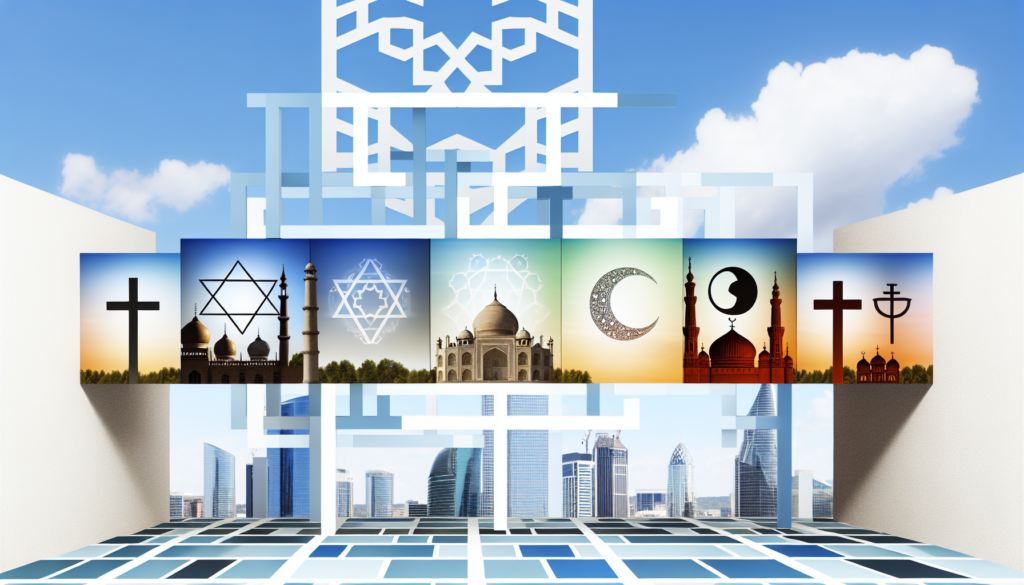
Freedom of religion and secularism are central concepts in contemporary discussions about individual rights and societal structure. Freedom of religion refers to the right of individuals to practice any religion of their choice or none at all, without interference or persecution. Secularism, on the other hand, is the principle that advocates separation between religion and state, ensuring that governmental institutions remain neutral in matters of faith. Both concepts are fundamental in promoting pluralism, tolerance, and human rights in modern societies, making them highly relevant in ongoing debates about governance, education, and public policy. freedom of religion
Understanding Freedom of Religion
Freedom of religion encompasses various rights that allow individuals to believe, worship, and express their religious convictions openly. It includes the following aspects:
- The right to choose one’s religion or belief.
- The right to change one’s religion or belief.
- The right to practice religion individually or in community with others.
- The right to manifest one’s religion or beliefs in worship, teaching, practice, and observance.
Historical Context
The evolution of freedom of religion can be traced back to various historical milestones, including:
- The Edict of Milan (313 AD), which granted religious tolerance within the Roman Empire.
- The Treaty of Westphalia (1648), which recognized the rights of different Christian denominations in Europe.
- The First Amendment to the United States Constitution (1791), which prohibits Congress from making laws respecting an establishment of religion.
These events highlight the gradual recognition of religious freedom as a fundamental human right, paving the way for its inclusion in international legal frameworks, such as the Universal Declaration of Human Rights (1948).
The Role of Secularism in Society
Secularism serves as a foundation for democratic governance, ensuring that no single religion dominates public policy or governance. It promotes an inclusive society that respects diverse beliefs and practices. The main principles of secularism include:
- Neutrality of the state in religious matters.
- Protection of individual rights and freedoms against religious imposition.
- Encouragement of rational and empirical approaches in public discourse.
Secularism in Practice
Countries vary widely in their approach to secularism:
- France: Known for its strict secularism (laïcité), France has laws that prohibit religious symbols in public schools and government institutions.
- United States: The U.S. has a more flexible interpretation of secularism, allowing for religious expression in public life as long as it does not infringe on the rights of others.
- Turkey: Historically, Turkey maintained a secular state model; however, recent years have seen increased influence of Islam in governance.
These examples illustrate the diverse ways secularism can manifest and the ongoing debates regarding its implementation.
Benefits of Freedom of Religion and Secularism
Both freedom of religion and secularism contribute significantly to social stability and individual well-being. Key benefits include:
- Promotion of Tolerance: Encouraging a society where diverse beliefs coexist fosters mutual respect and understanding.
- Protection of Minority Rights: Secularism helps safeguard the rights of religious minorities from potential discrimination or persecution.
- Enhanced Civic Engagement: Individuals are more likely to participate in civic life when they feel secure in their religious practices.
- Reduction of Conflict: By separating religion from state, secularism can minimize religiously motivated conflicts.
These benefits highlight the importance of both concepts in creating harmonious and equitable societies.
Challenges to Freedom of Religion and Secularism
Despite their advantages, freedom of religion and secularism face numerous challenges worldwide, including:
- Religious Extremism: Extremist ideologies can threaten the principles of tolerance and coexistence.
- Political Manipulation: Some governments exploit religious sentiments to consolidate power or suppress dissent.
- Social Division: In some contexts, religious identity can lead to societal fragmentation and conflict.
- Legal Ambiguities: Vague laws concerning the separation of religion and state can result in inconsistent application and enforcement.
Case Studies of Challenges
Several notable incidents serve as examples of these challenges:
- The rise of the Taliban in Afghanistan, which imposed strict interpretations of Sharia law, undermining secular governance.
- The conflict in Myanmar, where religious tensions between Buddhists and Muslims have led to violence and human rights abuses.
- The impact of the rise of populist movements in Europe, which often leverage religious identity politics to gain support.
Addressing these challenges requires a nuanced understanding of both freedom of religion and secularism and a commitment to fostering dialogue and cooperation among different societal sectors.
Further Reading and Resources
- Universal Declaration of Human Rights
- Office of the United Nations High Commissioner for Human Rights
- American Civil Liberties Union: Freedom of Religion
- National Secular Society
Frequently Asked Questions (FAQ)
What is the difference between freedom of religion and freedom of belief?
Freedom of religion specifically pertains to organized religious practices, while freedom of belief is broader, encompassing personal convictions, philosophies, and worldviews, whether or not they are religious in nature.
Why is secularism important in a diverse society?
Secularism ensures that no single religion can dominate public policies, thus allowing different beliefs to coexist, which is crucial in a diverse society.
Can secularism exist in a religious country?
Yes, secularism can exist in a religious country by promoting a legal framework that separates religious institutions from state functions while respecting individual rights to practice faith.
What are the potential downsides of secularism?
One potential downside of secularism is the perception that it marginalizes religious voices in public discourse, leading to feelings of alienation among devout individuals.
How do freedom of religion and secularism relate to human rights?
Both concepts are integral to human rights as they promote individual autonomy, dignity, and the right to participate fully in civic life without religious discrimination.
Conclusion
Freedom of religion and secularism are essential components of modern democratic societies, facilitating the coexistence of diverse beliefs and ensuring that the state remains neutral in matters of faith. While they offer numerous benefits, including promoting tolerance and protecting individual rights, they also face significant challenges that must be addressed through ongoing dialogue and legal reforms. Understanding these concepts is vital for citizens and policymakers alike, as they navigate the complexities of governance in an increasingly pluralistic world.