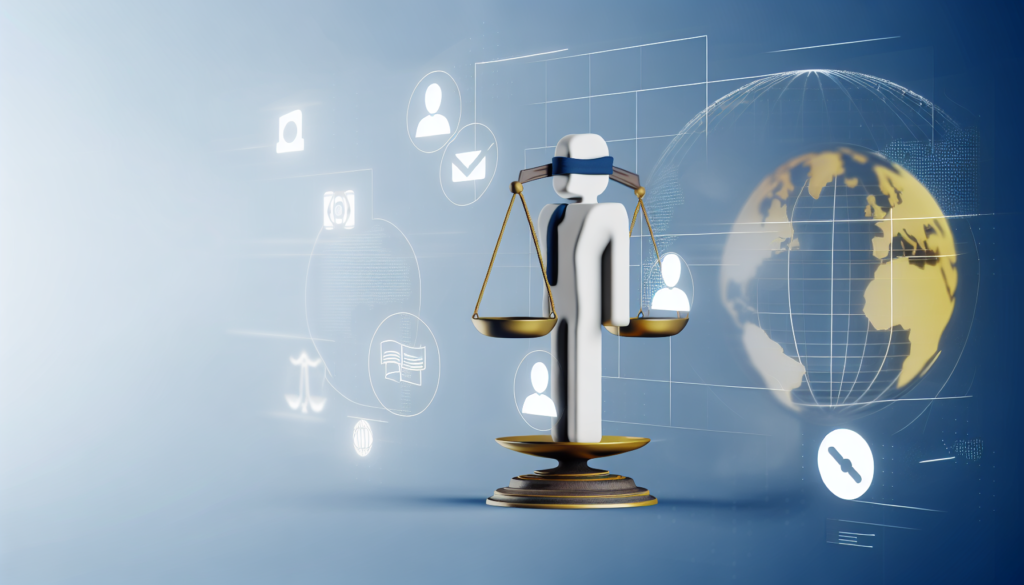
Introduction to Civil Liberties and Human Rights
Civil liberties and human rights are fundamental concepts that underpin the structure of modern democratic societies. Civil liberties refer to the individual rights and freedoms that protect citizens from government overreach, while human rights encompass a broader spectrum of entitlements inherent to all individuals, regardless of nationality, ethnicity, or any other characteristic. The relevance of these concepts in contemporary society is profound, as they serve as the foundation for justice, equality, and the rule of law. In an increasingly interconnected world, understanding civil liberties and human rights is crucial for fostering global cooperation and ensuring that governments respect the dignity of all individuals. civil liberties human rights
The Evolution of Civil Liberties
The evolution of civil liberties can be traced back to the Enlightenment period when philosophers like John Locke and Montesquieu championed the idea of individual rights. These concepts laid the groundwork for modern democratic frameworks. Key historical documents, such as the U.S. Bill of Rights (1791) and the French Declaration of the Rights of Man and of the Citizen (1789), codified these principles, emphasizing the protection of individual freedoms such as speech, religion, and assembly.
Key Historical Milestones
- Magna Carta (1215): Often considered a precursor to modern civil liberties, it established the principle that everyone, including the king, was subject to the law.
- Universal Declaration of Human Rights (1948): Adopted by the United Nations, this document set a global standard for human rights, emphasizing the inherent dignity of all individuals.
- Civil Rights Movement (1950s-1960s): This movement in the United States highlighted the struggle for civil liberties, focusing on racial equality and the dismantling of segregation.
Human Rights Frameworks Around the World
Human rights are categorized into various frameworks that guide their implementation and enforcement across different nations. The most prominent international framework is the United Nations system, which includes treaties and conventions aimed at protecting human rights globally. These frameworks establish legal obligations for states to uphold the rights of their citizens.
International Treaties and Conventions
- International Covenant on Civil and Political Rights (ICCPR): Focuses on protecting individual rights such as the right to life, freedom of speech, and the right to a fair trial.
- International Covenant on Economic, Social and Cultural Rights (ICESCR): Emphasizes the importance of economic, social, and cultural rights, including the right to work and the right to education.
- Convention on the Elimination of All Forms of Discrimination Against Women (CEDAW): Aims to eliminate discrimination against women and promote gender equality.
The Role of Civil Society in Promoting Rights
Civil society organizations (CSOs) play a critical role in advocating for civil liberties and human rights. These organizations often serve as watchdogs, holding governments accountable and raising awareness about human rights violations. By mobilizing communities, CSOs can influence policy changes and encourage civic engagement among citizens.
Methods of Advocacy
- Public Awareness Campaigns: Educating the public about their rights and the importance of civil liberties.
- Legal Assistance: Providing support to victims of rights violations in seeking justice through legal channels.
- Lobbying: Engaging with policymakers to advocate for reforms that protect and enhance civil liberties and human rights.
Challenges in Upholding Civil Liberties and Human Rights
Despite the frameworks and advocacy efforts in place, numerous challenges hinder the effective realization of civil liberties and human rights worldwide. These challenges can stem from political, social, and economic factors that vary by region and context.
Common Challenges
- Authoritarian Regimes: In many countries, authoritarian governments suppress civil liberties, curtailing freedom of speech and assembly.
- Socioeconomic Inequality: Economic disparities often lead to unequal access to rights, particularly for marginalized communities.
- Lack of Legal Frameworks: Some nations lack comprehensive laws to protect human rights, making enforcement difficult.
Case Studies of Civil Liberties and Human Rights
Examining case studies from various countries provides insights into how civil liberties and human rights are experienced differently around the globe. These examples highlight both progress and ongoing struggles.
Case Study: United States
The United States has a complex relationship with civil liberties, particularly in the context of issues like freedom of speech and surveillance. The First Amendment protects the right to free speech, but controversies arise over hate speech and misinformation. Additionally, debates surrounding the USA PATRIOT Act have raised concerns about government surveillance infringing on citizens’ privacy rights.
Case Study: Myanmar
Myanmar’s political landscape has undergone significant changes, especially following the military coup in 2021. Civil liberties have been severely restricted, with the government cracking down on protests and dissent. The international community has condemned these actions, highlighting the need for global cooperation to restore democracy and protect human rights in the region.
Further Reading and Resources
- Universal Declaration of Human Rights
- Amnesty International: Human Rights Education
- Human Rights Watch
Frequently Asked Questions (FAQ)
What is the difference between civil liberties and human rights?
Civil liberties are specific freedoms that protect individuals from government interference, while human rights are broader entitlements that apply to all individuals globally, regardless of their circumstances.
Why are civil liberties important?
Civil liberties are essential for the functioning of democracy as they ensure that individuals can express themselves freely, participate in governance, and seek justice without fear of reprisal.
How can individuals advocate for civil liberties?
Individuals can advocate for civil liberties by educating themselves and others, participating in community organizations, and engaging in peaceful protests or lobbying efforts aimed at influencing policy changes.
What role do international organizations play in human rights?
International organizations, such as the United Nations, play a crucial role in promoting and protecting human rights through treaties, monitoring compliance, and providing platforms for dialogue among nations.
What are some current global issues related to human rights?
Current global issues include the refugee crisis, racial discrimination, gender inequality, and the fight against authoritarianism, all of which pose significant challenges to the realization of human rights worldwide.
Conclusion
In conclusion, civil liberties and human rights are essential components of a just society. Their evolution reflects the ongoing struggle for dignity and equality across the globe. While significant progress has been made, numerous challenges remain. Understanding these concepts and their implications empowers individuals to advocate for their rights and the rights of others, fostering a more equitable world for all.