Introduction
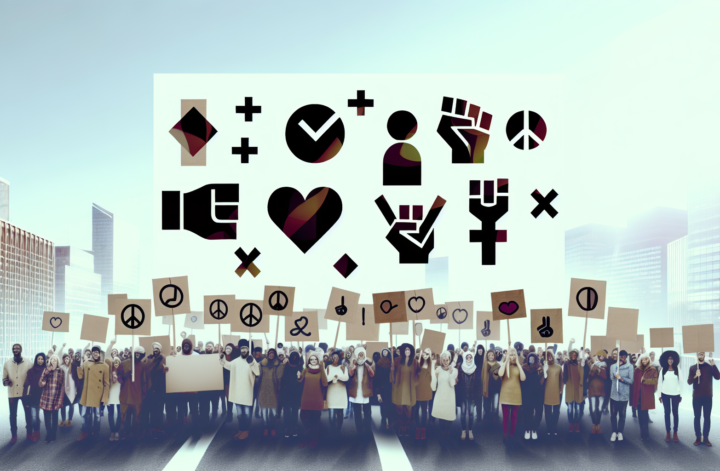
Freedom of assembly and protest rights are fundamental components of democratic societies, allowing individuals to gather publicly to express their opinions, advocate for change, or demonstrate solidarity with specific causes. This right is enshrined in various international human rights instruments, including the Universal Declaration of Human Rights (UDHR) and the International Covenant on Civil and Political Rights (ICCPR). In modern society, the relevance of these rights has become increasingly pronounced, particularly during periods of social unrest, political turmoil, or civil rights movements. They serve not only as a means of expressing dissent but also as a mechanism for societal change and political engagement. freedom of assembly
Understanding Freedom of Assembly
Freedom of assembly refers to the right of individuals to come together in groups for peaceful purposes. This right is essential for the functioning of a healthy democracy, as it ensures that citizens can collectively voice their opinions, organize campaigns, and promote social change. The legal framework surrounding freedom of assembly varies by country, but many democratic nations recognize this right as a cornerstone of civil liberties.
Key Definitions
- Assembly: A gathering of individuals for a specific purpose, which can include protests, rallies, or meetings.
- Peaceful Assembly: Gatherings that occur without violence or disruption, emphasizing the right to express opinions freely.
- Protest Rights: Specific rights related to the act of demonstrating against policies, actions, or societal issues.
Legal Framework
The legal recognition of freedom of assembly can be traced back to the Enlightenment era in Europe, where philosophers advocated for individual rights and liberties. In the United States, the First Amendment guarantees the right to assemble peacefully, while numerous constitutions worldwide echo similar sentiments, aiming to protect citizens from government overreach.
Historical Context and Evolution
The historical evolution of assembly and protest rights reflects significant social and political changes over time. In many countries, these rights have only been established after long struggles against authoritarian regimes. For instance, the civil rights movement in the United States during the 1960s exemplified the power of organized protests to alter legislation and social norms.
Key Historical Examples
- The Suffrage Movement: Women’s right to vote was achieved through organized protests, showcasing the importance of assembly in advocating for equality.
- The Civil Rights Movement: Events such as the March on Washington in 1963 highlighted the effectiveness of large-scale peaceful protests in driving legislative changes.
- The Arab Spring: A series of protests across the Middle East and North Africa in 2010–2012 illustrated the global potential of assembly rights to challenge oppressive regimes.
Benefits of Freedom of Assembly
Freedom of assembly serves several essential functions in society. Firstly, it provides a platform for marginalized voices, allowing them to advocate for their rights and interests. Secondly, it fosters public discourse by encouraging dialogue between different societal groups. Furthermore, assembly rights can lead to tangible political change, as demonstrated by various social movements throughout history.
Public Discourse and Civic Engagement
- Encourages Civic Participation: Active participation in assemblies can galvanize community engagement and political awareness.
- Promotes Diversity of Opinions: Various perspectives can emerge from assemblies, enriching public debate.
- Informs Policy Makers: Large gatherings can signal to government officials the public’s priorities and concerns.
Challenges and Limitations
Despite its importance, freedom of assembly faces numerous challenges. Governments may impose restrictions on the right to assemble, often citing public order or safety concerns. These limitations can disproportionately affect marginalized groups and stifle dissenting voices. Additionally, the rise of digital technology has transformed how assemblies are organized and executed, presenting both opportunities and new challenges.
Common Challenges
- Government Restrictions: Laws may limit the time, place, and manner of assemblies.
- Police Response: Excessive use of force by law enforcement can deter peaceful protests and lead to violence.
- Surveillance: Increased monitoring of assemblies can suppress participation and infringe on privacy rights.
Modern Implications of Protest Rights
In today’s context, protest rights have gained renewed significance amid global movements advocating for racial equality, climate action, and social justice. The COVID-19 pandemic has also raised questions about the right to assemble in times of public health crises. Balancing public health concerns with the right to protest has become a pressing issue for many governments.
Case Studies of Recent Protests
- Black Lives Matter Movement: Protests in response to racial injustice have taken place worldwide, emphasizing the power of collective action.
- Climate Strikes: Young activists have mobilized large gatherings to advocate for urgent climate action, challenging governments to respond.
- Women’s Marches: These events highlight ongoing gender inequality, showcasing how assembly can bring attention to critical social issues.
Further Reading and Resources
- Core International Human Rights Instruments
- Protests and Civilian Protection
- Amnesty International on Freedom of Assembly
Frequently Asked Questions (FAQ)
What is the difference between freedom of assembly and freedom of speech?
Freedom of assembly pertains specifically to the right to gather collectively, while freedom of speech focuses on the right to express individual opinions. Both rights are interconnected and essential for democratic engagement.
Can governments limit the right to protest?
Yes, governments may impose restrictions on assemblies, often to maintain public order. However, such restrictions must be necessary, proportionate, and in line with international human rights standards.
What constitutes a peaceful assembly?
A peaceful assembly is one that occurs without violence or disruption, allowing participants to express their views without inciting harm to others or property.
What are the potential consequences of protesting?
Protesters may face various consequences, including legal repercussions, police encounters, or, in some cases, retaliation from authorities. However, successful protests can lead to significant social and political changes.
How can individuals participate in assemblies safely?
Individuals can participate safely by staying informed about their rights, understanding local laws regarding assemblies, and following guidelines provided by organizers. It is also advisable to remain peaceful and respectful during protests.
Conclusion
Freedom of assembly and protest rights are vital to the functioning of a democratic society, allowing individuals to express their views collectively and advocate for change. While these rights face various challenges, their importance remains unwavering in facilitating public discourse and promoting social justice. As citizens engage in protests and assemblies, understanding the historical context, legal frameworks, and modern implications of these rights is crucial for sustaining civic engagement and protecting democratic values.